
Cats don’t need pricey gadgets to get their hearts racing. With a little creativity, budget-friendly toys can deliver big bursts of energy, curiosity, and exercise. The key is variety, safety, and a bit of DIY flair that respects your cat’s preferences and space.
Low-cost toys that deliver big play
– Cardboard boxes and tunnels: A simple box with a few holes becomes a mystery hideout and a pouncing lane. Cut a few entryways or a narrow tunnel from a tall cardboard box and watch your cat sprint and stalk through it.
– Crinkly paper and tissue: Balls of paper, crinkly shopping bags (supervised and with handles removed), and tissue paper create enticing textures and noise that cats love to bat, pounce, and chase.
– Small balls and soft mice: Ping-pong balls, soft fabric mice, or foam balls are inexpensive and easy for a cat to chase. Some cats enjoy batting a ball around a room or slotting it through a cardboard obstacle course.
– Feathers on a wand or simple strings: A lightweight wand with a feather or ribbon encourages reaching, leaping, and chasing. Use a short, secure handle and supervise to prevent tangling or swallowing.
– Catnip toys or DIY catnip sachets: A fabric pouch lightly filled with dried catnip (or a pinch tucked inside a sock) can spark playful batting and rolling.
– Laser pointers (short sessions): A laser pointer can trigger fast, sustained bursts of sprinting and pouncing. Use in moderation and pair with a tangible toy at the end so your cat can “catch” something real.
– Soft plush or fabric toys: Small, lightweight toys provide easy targets to bat around, kick, and carry—especially those infused with catnip.
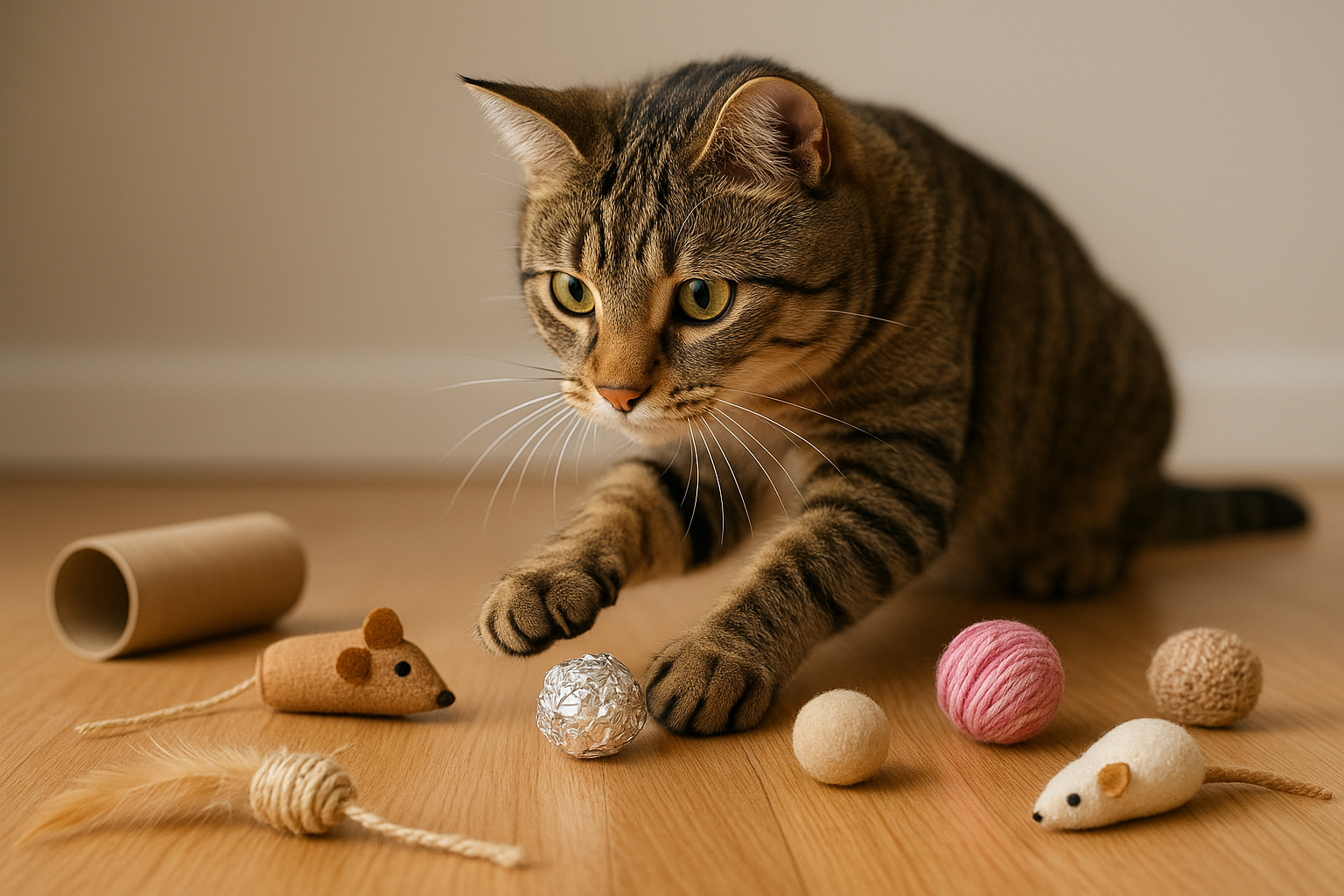
– Treat-dispensing balls or puzzle toys: A budget-friendly puzzle that releases a treat as your cat maneuvers it provides mental challenge and a reward, extending play time.
DIY ideas that stretch your dollar
– Sock catnip toy: Place a pinch of catnip inside an old sock, tie a knot at the end, and let your cat nose and paw at the fabric. Supervise for loose threads, and replace when worn.
– Feather wand on a budget: Tie a feather (or a safe, synthetic alternative) to a short stick or dowel using sturdy string. Keep the toy simple and inspect for loose pieces after play.
– Cardboard maze: Create a small maze from cardboard pieces with cutouts and tabs. Hide treats or small toys inside some compartments to encourage exploration and problem-solving.
– Pom-pom chase: Tie a soft pom-pom or crinkly ball to a short piece of string and attach to a stick. The yarn and movement imitate prey and entice a sprinting chase.
– Cup-and-ball puzzle: Line up two or three paper cups, place a treat under one, and tilt cups to create a simple puzzle. It’s cheap, scalable, and adjustable to your cat’s skill level.
Repurposed household items your cat can love
– Paper bags and cardboard tubes: A crinkly bag with a few toy treats tucked inside can be irresistible. Cardboard tubes from toilet paper or paper towels can be stacked into small towers for batting and knocking down.
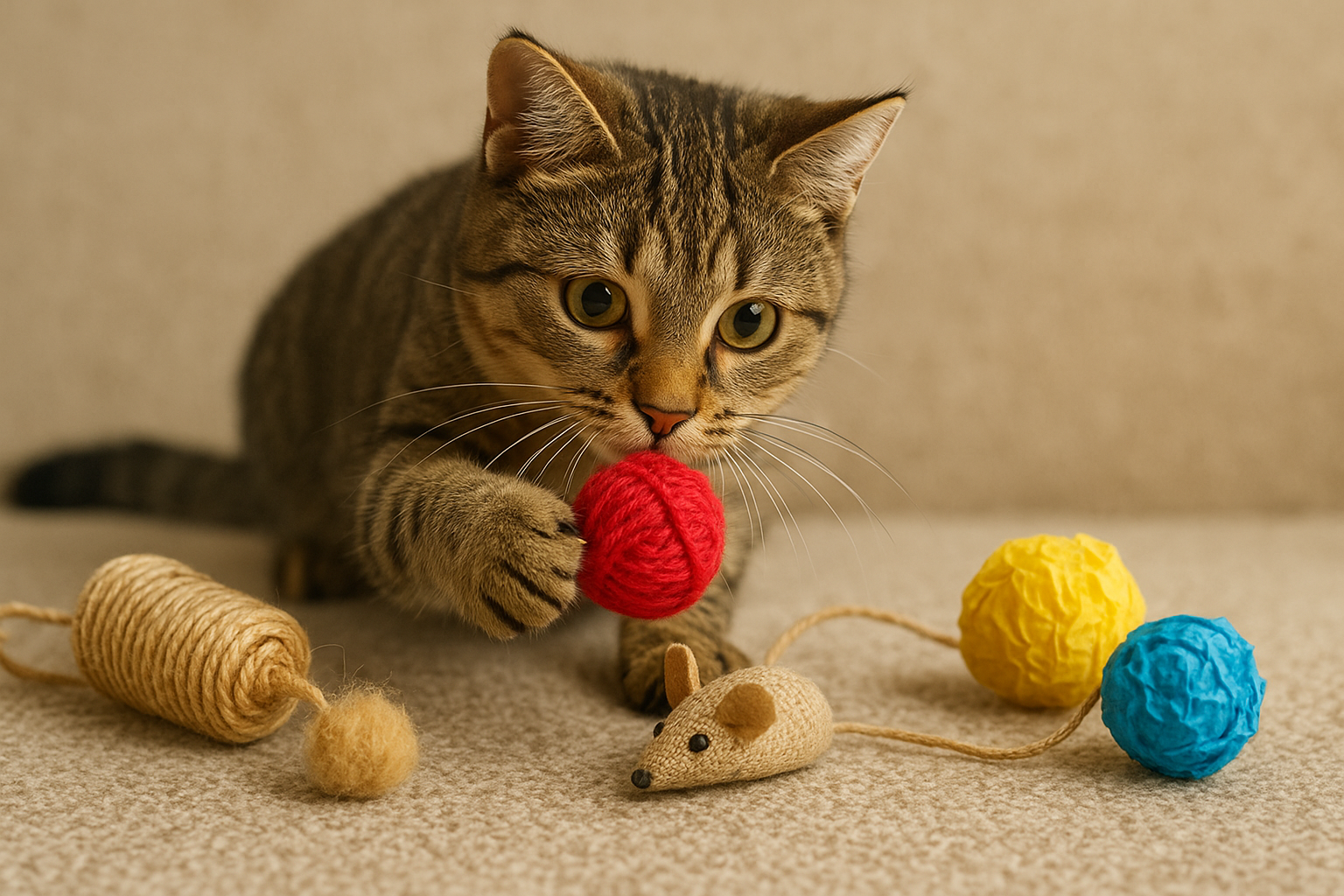
– Blanket forts: A simple tunnel or hideout created with a blanket draped over chairs provides a cozy, low-cost space for stalking and ambushing your cat’s toys.
– Dangle-friendly fabrics: Lightweight scarves or scraps of fabric tied to a safe, sturdy stick can mimic prey movement. Just ensure the fabric doesn’t pose a choking hazard and remove if it begins to fray.
Turning enrichment into routine
– Rotation matters: Keep a rotation of 4–6 toys and swap them weekly. Freshness keeps your cat curious and engaged without buying new items constantly.
– Match toys to play styles: Active, bold cats may love wand toys and laser chasing, while shy or methodical cats might enjoy puzzle feeders and scent-based toys that require investigation.
– Set play times: Short, multiple daily sessions (5–15 minutes) with your involvement create bonding moments and help tire your cat during peak activity times.
– Pair play with feeding: Use a treat-dispensing toy during mealtime or as a post-feeding activity to stretch play into longer enrichment sessions.
Safety tips for budget-friendly play
– Inspect toys regularly: Look for loose parts, frayed fabric, or sharp edges and retire toys when they show wear.
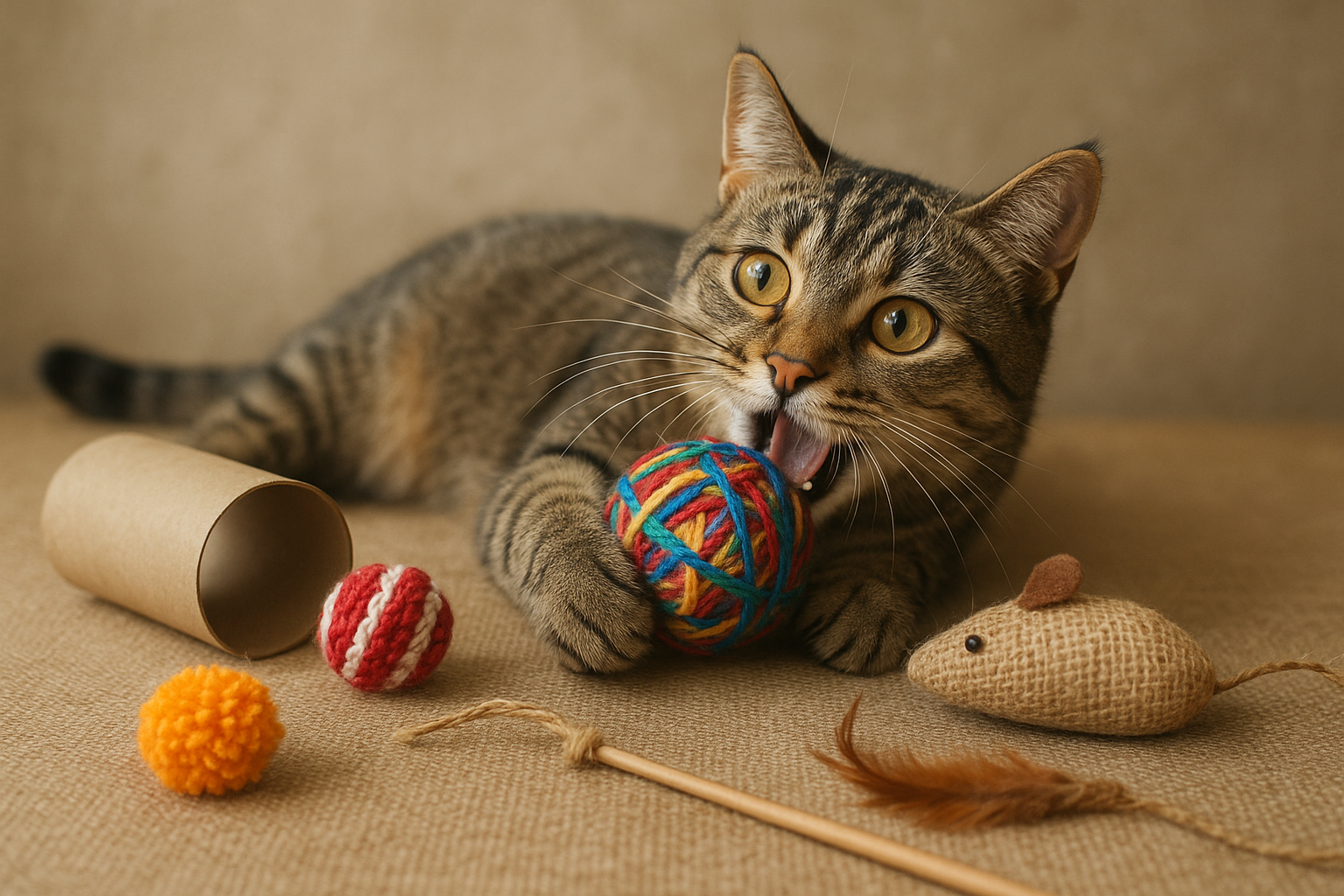
– Avoid small, swallowable pieces: Anything that can break off and be swallowed should be avoided. This includes buttons, sequins, or tiny beads.
– Be mindful of strings and cords: Long strings can pose choking or entanglement risks. Use supervised play and store away when not in use.
– Choose non-toxic materials: Avoid toys with strong perfumes, dyes, or coatings that could irritate your cat’s skin or mouth.
– Supervise initial play with new items: Introduce new toys gradually to observe how your cat handles them and to ensure safety.
The enrichment payoff
Budget-friendly toys can deliver more than just a good time. Regular, varied play supports physical health by encouraging cardio workouts, helps prevent obesity, and stimulates cognitive function with problem-solving tasks. For homes with multiple cats, rotating a mix of solo and interactive toys allows each cat to engage on its own terms while still benefiting from social play with you or other felines.
In sum
Creativity beats cost when it comes to cat entertainment. With a few everyday items, some DIY ideas, and a small investment in a handful of versatile toys, you can deliver rich play experiences that keep your cat active, curious, and happy without breaking the bank. The best toy is the one your cat chooses to chase, pounce on, or curl up with after a bout of play—so start with a couple of simple options, watch what sparks their interest, and let the budget-friendly enrichment begin.

